Style Writing: A Font That Speaks
It was a Tuesday morning, and I was finalizing the visual assets for a product launch. The campaign needed to feel polished yet approachable, with a touch of personality that would stand out in a sea of generic designs. As I scrolled through my font library, I landed on Style Writing—a script typeface that felt both refined and warm. It wasn’t just a font; it was a voice.
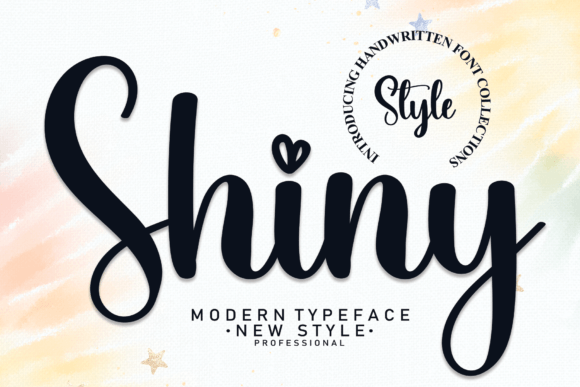
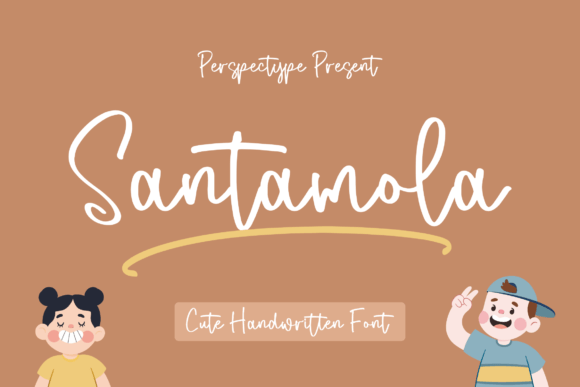
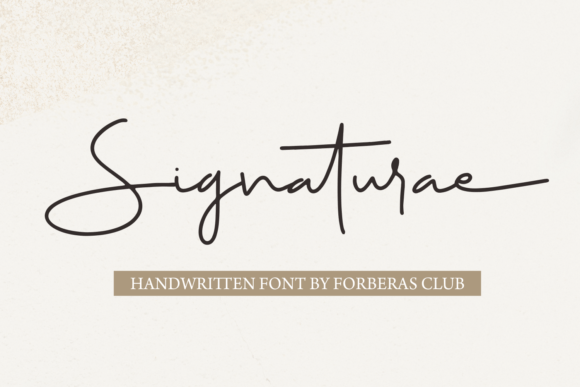
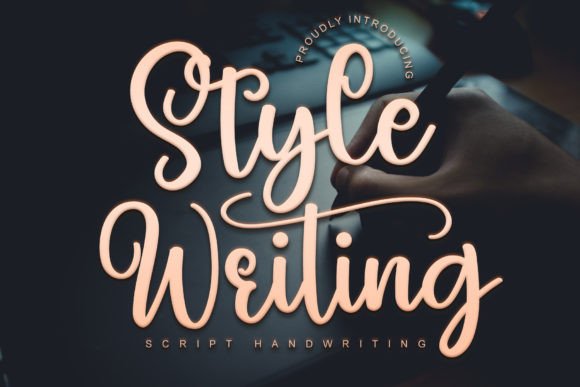
Style Writing has a soft, flowing structure that mimics handwritten elegance. Its curves are gentle but intentional, and its strokes carry a sense of movement that feels alive. It’s not overly ornate, which makes it versatile for both high-end branding and casual campaigns. The font works well in logos, headlines, and decorative titles, offering a balance between readability and visual appeal.
For this particular campaign, we were promoting a new line of eco-friendly home goods. The message needed to feel authentic and inviting, and Style Writing delivered that effortlessly. I used it for the main headline on the launch page, paired it with a clean sans serif for body text, and incorporated it into social media graphics to maintain consistency across platforms.
One of the first things I noticed when using Style Writing was how it enhanced the visual hierarchy. On mobile screens, where thumbnails and previews are often small, the font retained its clarity without sacrificing style. It worked equally well on dark backgrounds for Instagram stories and light backgrounds for email banners, adapting to different contexts without losing its character.
When designing YouTube thumbnails, I found that Style Writing added a layer of sophistication that made the content more recognizable. The font’s unique shape helped the title stand out in fast-scrolling feeds, drawing attention without overwhelming the viewer. It also complemented the brand’s aesthetic, reinforcing the message of quality and care.
In the world of digital marketing, consistency is key. Style Writing became a cornerstone of our design system, appearing in everything from promotional posters to Pinterest pins. Its versatility allowed us to maintain a cohesive look across multiple channels while still allowing room for creative variation. Whether it was a sale announcement or a quote graphic, the font provided a common thread that tied the entire campaign together.
I also experimented with pairing Style Writing with other fonts to see how it performed in different contexts. A modern sans serif like Montserrat balanced its fluidity, creating a contrast that felt fresh and contemporary. For more editorial-style content, I combined it with a classic serif like Georgia, which gave the design a timeless feel. These pairings helped me understand how to use the font strategically without overpowering the message.
Another benefit of Style Writing is its adaptability to different formats. It worked well as a logo font, giving the brand a distinctive identity, and as a display font for callouts and headlines. Its included alternates and ligatures added a level of customization that made each design feel unique. I made sure to check the file formats and licensing before integrating it into client projects, ensuring that it met all commercial requirements.
As the campaign rolled out, I noticed that audiences responded positively to the font’s personality. It felt like a friendly guide through the content, leading the eye naturally from one element to the next. In email banners, it helped create a sense of urgency without being too aggressive. On social media, it brought a human touch to otherwise sterile promotional posts.
Style Writing isn’t just about aesthetics—it’s about communication. It helps convey tone, emotion, and intention in a way that many fonts can’t. Whether you’re designing for a seasonal sale, a webinar promotion, or a branded content series, this font offers a way to make your message more memorable and impactful.
As I wrapped up the campaign, I realized how much Style Writing had contributed to the overall success. It wasn’t just a font choice; it was a strategic decision that influenced every aspect of the design process. From thumbnails to landing pages, it added a layer of thoughtfulness that resonated with the audience.
For marketers and creators looking to elevate their visual storytelling, Style Writing is a powerful tool. It brings warmth, clarity, and character to any project, making it a valuable addition to any design toolkit.
Whether you’re working on a product launch, a digital ad set, or a social media series, consider how Style Writing can help you craft a message that stands out. It’s not just a font—it’s a way to speak with more confidence, creativity, and connection.