Takiya: A Bold Script Font for Web Design
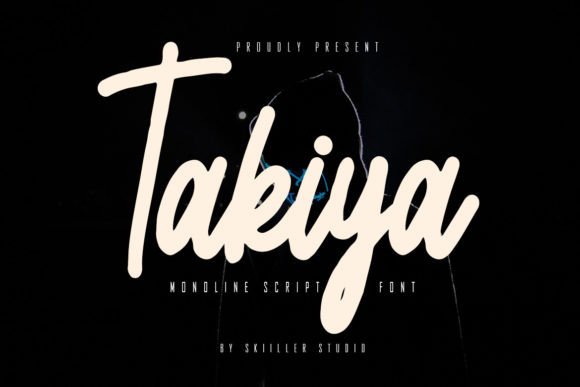
Takiya is a striking script font that brings an elegant touch to digital design. As a web designer, I appreciate how it balances uniqueness with readability, making it ideal for headers, logos, and visual accents in modern web projects.
With its fluid strokes and refined curves, Takiya exudes a timeless style that works well in both contemporary and classic designs. It’s not just a font—it’s a tool for creating memorable brand experiences.
Using Takiya in Web Design
In web design, Takiya shines as a display font for hero sections, call-to-action buttons, and landing page headers. Its boldness commands attention without overwhelming the layout. When used sparingly, it adds a sense of sophistication that elevates the overall aesthetic.
For example, on a creative portfolio site, Takiya can be used to highlight project titles or artist names. On a boutique online store, it adds personality to banners and product headings, reinforcing a brand’s unique identity.
It also works well for blog headers and content section titles. Pairing it with a clean sans serif font like Roboto or Open Sans creates a balanced contrast that improves readability while maintaining visual interest.
Readability and Visual Hierarchy
While Takiya is a script font, it maintains a level of legibility that makes it suitable for short phrases and decorative elements. However, it’s best reserved for headlines, subheadings, and key visual points rather than body text.
On mobile screens, Takiya benefits from proper spacing and size adjustments. Ensuring adequate line height and letter spacing helps maintain clarity, especially when used against dark backgrounds or image overlays.
When designing for responsive layouts, consider using Takiya at larger sizes for desktop views and reducing it slightly for smaller screens. This ensures it remains readable without losing its character.
Brand Tone and User Engagement
The personality of Takiya aligns well with brands that want to convey elegance, creativity, or a personal touch. It’s particularly effective for lifestyle, fashion, or art-related websites where visual storytelling is key.
Its presence can influence user behavior by guiding the eye through a page. By using Takiya in key areas, you create a visual hierarchy that directs attention to important messages, increasing engagement and conversion rates.
For a coaching website, Takiya can be used in headlines to emphasize motivational messages. On a course sales page, it adds a professional yet approachable feel that encourages clicks and conversions.
Practical Applications
Consider using Takiya in a digital brand kit to maintain consistency across marketing materials. Whether it's for social media graphics, email newsletters, or app interfaces, it adds a cohesive visual element that strengthens brand recognition.
For a product landing page, Takiya can be used in the main headline to capture attention immediately. Pairing it with a simpler font for supporting text ensures the message remains clear and easy to scan.
In a blog header, Takiya can be used to showcase the title of a post, giving it a more personalized and artistic look. This is especially useful for creative or editorial-style blogs looking to stand out.
Font Pairing and Design Assets
When pairing Takiya with other fonts, aim for contrast. A simple sans serif or serif font complements its ornate style, creating a harmonious balance. For example, combining Takiya with Lato or Merriweather can enhance readability while maintaining a polished appearance.
Ensure that the font includes multiple weights and styles if needed. Some script fonts have limited variations, so checking for alternates and ligatures can help achieve a more refined look.
Support for multilingual characters is also important, especially for global audiences. Takiya should work seamlessly across different languages and scripts to maintain a consistent design experience.
Commercial Licensing and Usage
When using Takiya in client projects, online stores, or commercial websites, always verify the licensing terms. Make sure the font allows for web embedding and commercial use to avoid legal issues.
For digital templates or SaaS platforms, confirm that the license covers distribution and customization. This ensures that your design assets remain compliant and versatile for various applications.
As a designer, I recommend reviewing the font’s documentation to understand its capabilities and restrictions. This helps in making informed decisions about where and how to use Takiya effectively.
Conclusion
Takiya is a versatile script font that enhances digital design with its elegant and distinctive style. Whether you're working on a creative portfolio, an online store, or a branded web experience, it offers a powerful way to express your brand’s voice.
By focusing on usability, readability, and strategic placement, Takiya can elevate your designs and create a lasting impression on users. Its ability to blend form and function makes it a valuable addition to any designer’s toolkit.